Gender Dysphoria Icon Design Guide
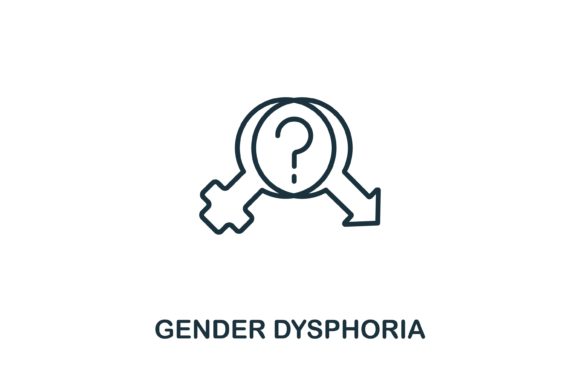
Elevate your visual storytelling with a thoughtfully crafted Gender Dysphoria icon from the LGBT collection, designed to bring clarity and empathy to sensitive topics. In modern graphic design, representing complex experiences like gender dysphoria requires more than just aesthetic appeal; it demands symbols that communicate understanding without relying on stereotypes. A simple line Gender Dysphoria icon serves as a powerful tool for templates, web design, and infographics, allowing designers to address mental health and identity issues with professional nuance. When integrated correctly, these vector graphics enhance user experience by providing immediate visual context in educational materials, healthcare platforms, and advocacy campaigns.
The Role of Symbolism in Visual Communication
Understanding what gender dysphoria is remains essential for creating authentic visual design. It refers to the psychological distress resulting from an incongruence between one’s gender identity and sex assigned at birth. For graphic designers and marketers, accurately depicting this concept helps reduce stigma and improves information accessibility. Using a dedicated symbol or logo within brand identity systems signals inclusivity and awareness. Unlike generic diversity icons, a specific Gender Dysphoria icon allows for precise communication in editorial design and UI interfaces where space is limited but meaning must be clear.
High-quality creative assets bridge the gap between clinical definitions and human experience. When designing for healthcare providers, non-profits, or educational institutions, the right imagery fosters trust. A minimalist line art style often works best because it avoids visual clutter, ensuring the focus remains on the content rather than the decoration. This approach aligns with modern aesthetics that prioritize clean lines, ample whitespace, and functional typography.
Practical Applications Across Media
Versatility is key when selecting vector graphics for professional projects. The availability of both EPS and JPG files ensures compatibility across various design workflows, from large-format print design to responsive web layouts. Consider these practical applications for integrating this icon into your next creative project:
- Web Design and UI: Use the icon in navigation menus, resource directories, or support chat widgets to help users quickly locate relevant information regarding gender identity services.
- Social Media Graphics: Incorporate the symbol into carousel posts or infographics that explain symptoms, coping mechanisms, or allyship tips, ensuring high readability on mobile screens.
- Editorial and Print: Enhance magazine spreads, brochures, or annual reports with subtle iconography that breaks up text-heavy sections while maintaining a respectful tone.
- Packaging and Merchandise: Apply the vector logo to awareness merchandise, event badges, or informational kits, utilizing scalable EPS files to maintain crisp edges at any size.
- Presentations and Workshops: Strengthen visual hierarchy in slide decks used for corporate training or community education, making complex data more digestible.
Best Practices for Implementation
Selecting the right asset involves evaluating consistency with your existing brand system. A simple line Gender Dysphoria icon should complement your current color palette and typography choices rather than clash with them. Because these icons are easy to edit, designers can adjust stroke weights or colors to match specific branding guidelines while preserving the symbol's integrity. Always test scalability; a robust logo vector graphic must remain legible whether it appears as a 16px favicon or on a billboard.
Contextual sensitivity is equally important in digital marketing and advertising campaigns. Avoid using the icon merely as decoration. Instead, pair it with supportive copy and accessible color contrasts to ensure the message lands effectively. In UX design, consider how the icon interacts with surrounding elements. Proper spacing and alignment prevent visual crowding, which is crucial when discussing sensitive subjects. Additionally, ensure that file formats are optimized for their intended use: EPS for editing and print production, and JPG for quick digital deployment.
Ultimately, thoughtful design choices transform abstract concepts into tangible resources that educate and support audiences. By utilizing professional-grade creative assets like the Gender Dysphoria icon, designers can improve both aesthetics and communication efficacy. Whether you are refining a brand identity, building an inclusive website, or crafting an informative infographic, access to editable, high-resolution vector graphics streamlines the workflow and ensures your final output resonates with authenticity and care. Investing in quality symbolism not only elevates the visual standard of your work but also demonstrates a commitment to accurate, empathetic representation in the evolving landscape of social design.